Safety Technology Projects Presented at 26th CIFIT Roadshow to Advance AI-Enabled Security Innovation
XIAMEN, China, Sept. 9, 2026 — Safety technology projects focusing on artificial intelligence-enabled risk management, intelligent safety systems and technology standardization were presented at an industry roadshow held during the 26th China International Fair for Investment and Trade (CIFIT) in Xiamen, China, connecting technology developers, industry representatives and investment institutions to explore pathways for practical application and cooperation.
The roadshow was conducted in the presence of representatives from the China Association for the Promotion of International Economic and Technical Cooperation (CAPC), its Standardization Working Committee, research institutions, technology enterprises, industrial organizations and investment representatives.
As part of the CIFIT programme, the event highlighted emerging approaches to safety technology development, including AI-based risk assessment, intelligent monitoring systems and standardized frameworks designed to support the transition from traditional reactive safety management toward proactive risk prevention.
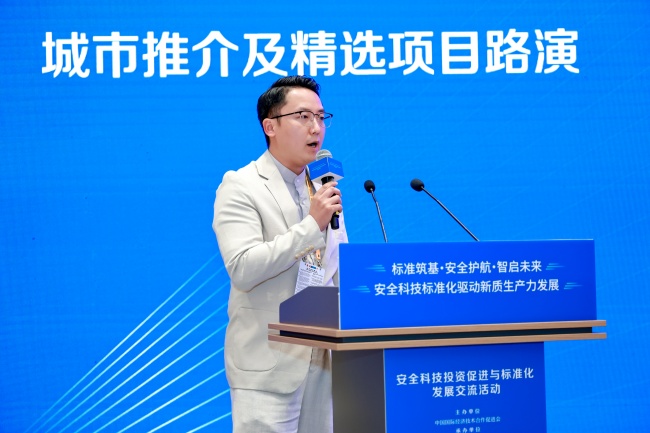
During the roadshow, participating enterprises presented technology solutions and application cases across areas including industrial safety, energy storage, urban infrastructure and residential safety. The presentations focused on how emerging technologies can be integrated into real-world scenarios through cooperation among enterprises, research organizations and industrial partners.
Yuanzhi Mingqi (Shanghai) Intelligent Technology Co., Ltd. presented its AI-enabled safety management solutions during the roadshow. The company focuses on developing AI safety models, intelligent safety management platforms and scenario-based solutions for sectors including hazardous chemicals, energy storage, advanced manufacturing, municipal infrastructure and residential safety.
The company’s technology approach combines early-stage risk identification, dynamic risk monitoring and coordinated response mechanisms, aiming to improve the ability of organizations to identify and manage potential risks before incidents occur.
The roadshow was held alongside the release of the White Paper on the Development of Safety Technology Standardization (2026), which examines the relationship between safety technology innovation and standardization. The white paper was jointly compiled by the China Association for the Promotion of International Economic and Technical Cooperation, its Standardization Working Committee, Yuanzhi Mingqi and other participating organizations.
The white paper identifies standardization as an important mechanism for connecting technological innovation with industrial implementation. It reviews developments in areas including artificial intelligence safety, digital infrastructure security, industrial safety and emerging technology governance, while proposing future directions for coordinated development between standards, innovation and industry.
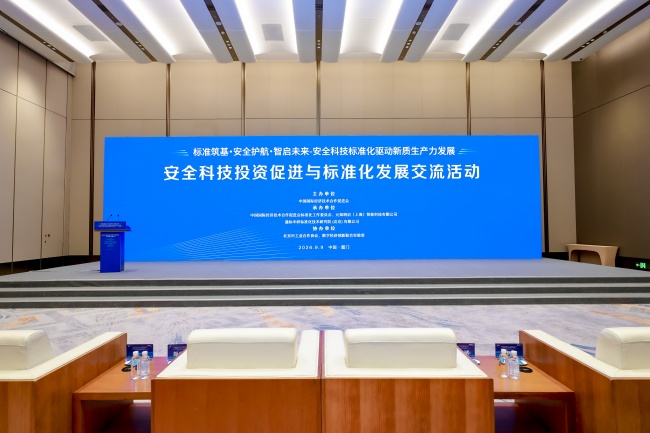
The event also presented the Technical Standard for Residential Indoor Intelligent Safety Systems, which provides a framework for intelligent residential safety systems covering sensing, transmission, platform management and application layers. The standard addresses the integration of devices such as intelligent circuit breakers, fire detectors, combustible gas detectors and water leakage sensors into coordinated safety management systems.
Held from Sept. 8 to 11, 2026, the 26th CIFIT serves as an international platform for investment promotion and economic cooperation, bringing together government representatives, industry organizations, enterprises and investors. The event provides a platform for exploring cooperation opportunities in emerging sectors, including artificial intelligence and advanced technologies.
Through participation in CIFIT, the safety technology initiative aims to strengthen dialogue among technology developers, industry stakeholders and international partners, contributing practical experience to broader discussions on responsible technology development, safety governance and sustainable industrial transformation.